Intro
Lip sync is crucial in animation because it allows my animated characters to speak. I have been looking forward to this class for a long time! I chose the theme “Lost in Translation” and discussed the content with Ko to confirm the detail
Make Reference
After finalising my topic, I began gathering various interesting stories caused by language differences. As a foreigner, English is not my native language, so I’m sure many others like me have had similar experiences. In the end, I chose “How would you like your money?” as my example.
Record audio and video simultaneously
After confirming the content, we first recorded the audio in the school’s recording studio. However, I was not satisfied with the tone of that recording, so I re-recorded it at home—this time as a video. This allowed me to reference my movements and lip shapes for better sync.
The reference video I recorded
Practice
I spent a long time considering which character to use for my story and ultimately decided to portray myself. As a non-native speaker, I felt that I was the most suitable choice for this role.
I drew a self-portrait and found a lip-sync reference chart to ensure that I could accurately illustrate each mouth shape for different phonemes.
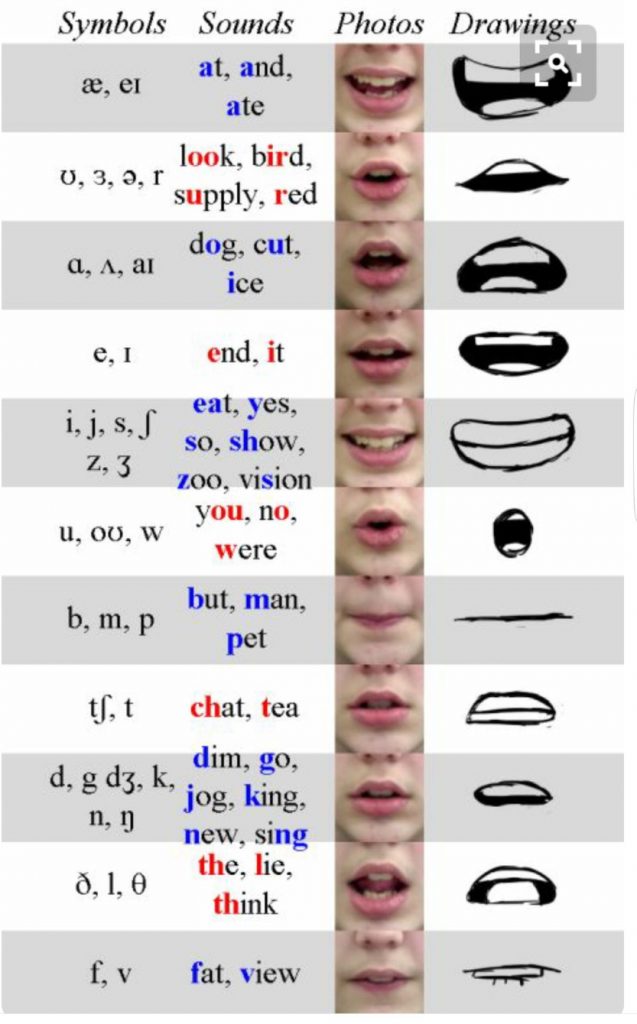
my lip sync reference
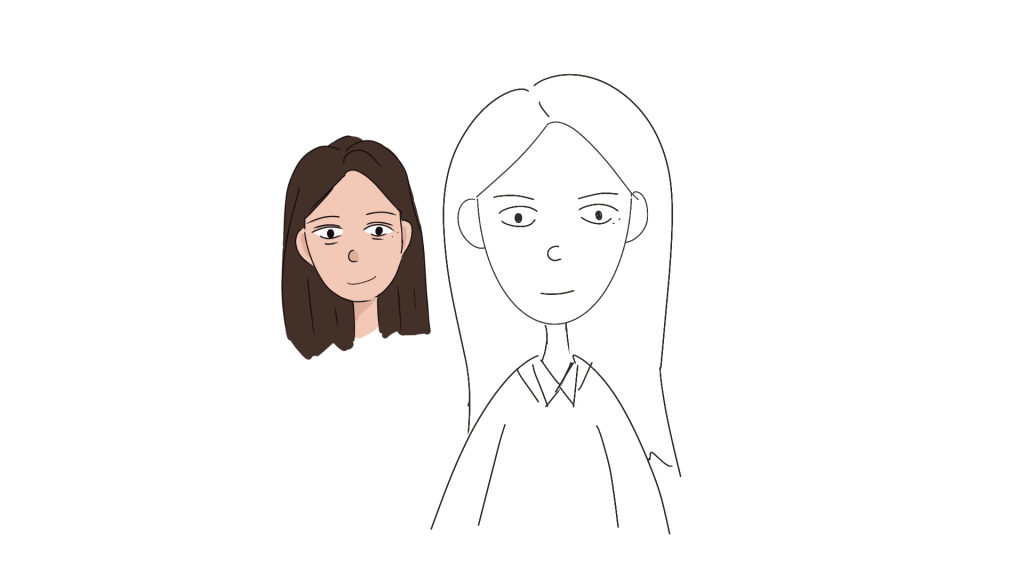
my self-portrait
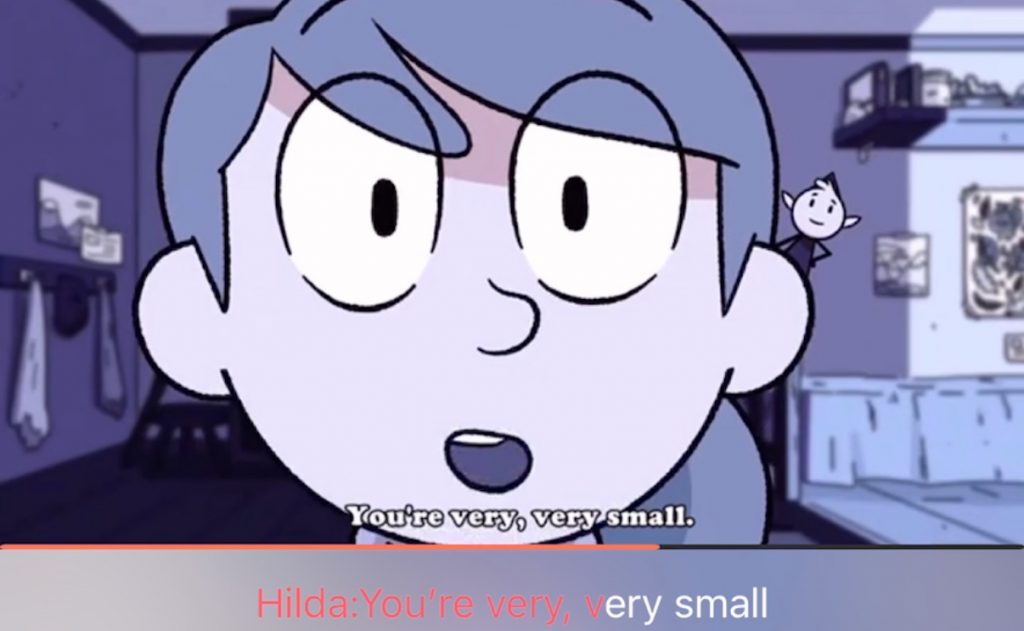
Sometimes, the mouth shapes on the reference chart don’t quite fit my art style. When I’m unsure how to draw certain shapes, even after reviewing my own reference video, I look for similar phonemes in Hilda and take screenshots for reference.
For example, in the word “very,” I didn’t like the way the “r” sound was depicted in the chart because it didn’t match my character’s style. So, I found the same word in Hilda and used it as a reference instead.
And now here’s my lip sync work but without colour, I’m trying to fill in the colours.
Leave a Reply